COMPARATIVE RULING ANALYSIS: SMARTWATCH CLASSIFICATION DIVERGENCE
Smartwatch classification varies between CBSA and CBP, highlighting how jurisdictional interpretation impacts HS codes, duty rates, and compliance risks in global trade. Read More →
Case studies on classifying specific products, worked through the GRIs, Section and Chapter Notes and WCO Explanatory Notes to a heading or subheading.
Smartwatch classification varies between CBSA and CBP, highlighting how jurisdictional interpretation impacts HS codes, duty rates, and compliance risks in global trade. Read More →
An in-depth HS classification analysis of the crankshaft position sensor wheel, explaining chapter conflicts, legal-note exclusions, CBP ruling N270502, and why residual… Read More →
In-depth tariff classification case study on automobile parts under HS 2022, applying GRIs, WCO Explanatory Notes, rejecting US rulings, and explaining NIL… Read More →
Comprehensive HS 2022 classification analysis of an IFE Seat Box Unit, explaining why HS 8525.50 applies, with legal tests, GRIs, Section XVI… Read More →
A landmark tariff classification case study on multimedia speaker systems, explaining HS code 8519, the principal function test, GRIs, WCO guidance, and… Read More →
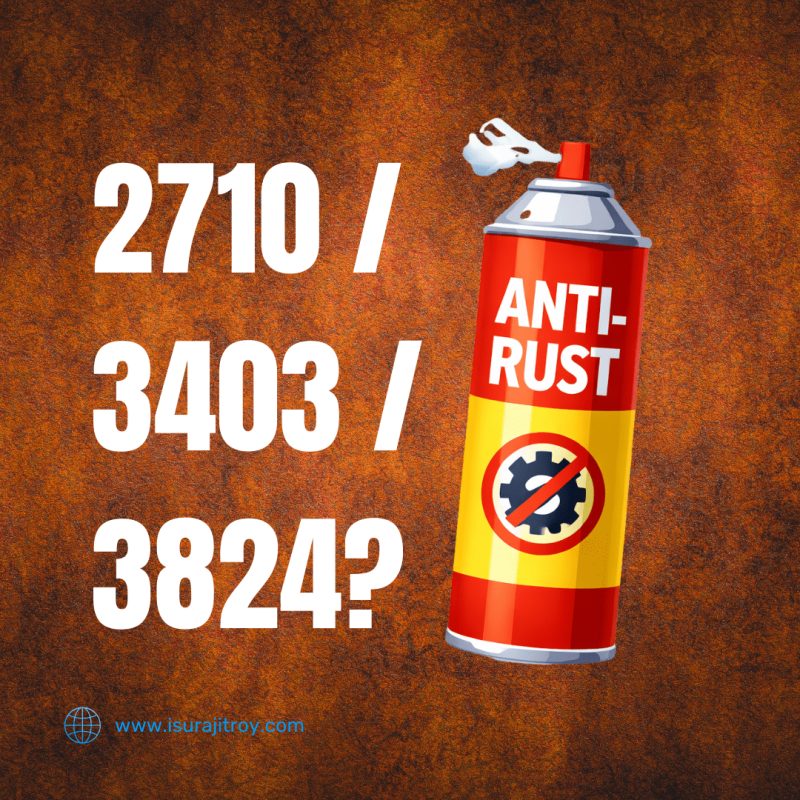
Learn how to classify anti-rust preparations under HS 2710, 3403, or 3824. Understand GRI 1, petroleum oil thresholds, CBP CROSS rulings, and… Read More →
Expert tariff classification case study explaining why Indian Refractory Mortar correctly falls under HS 3816, using GRIs and WCO Explanatory Notes to… Read More →
A practical case study explaining the legal impact of ‘solely’ vs ‘principally’ use in tariff classification, highlighting correct HS code selection, Section… Read More →
Case study on HS classification conflict between 847160 and 8543 for biometric access controllers, applying GRIs, WCO Explanatory Notes, and Customs Notification… Read More →